
Blog
Can You Use Your Own Bathroom Tiles and Bathroom Fittings?
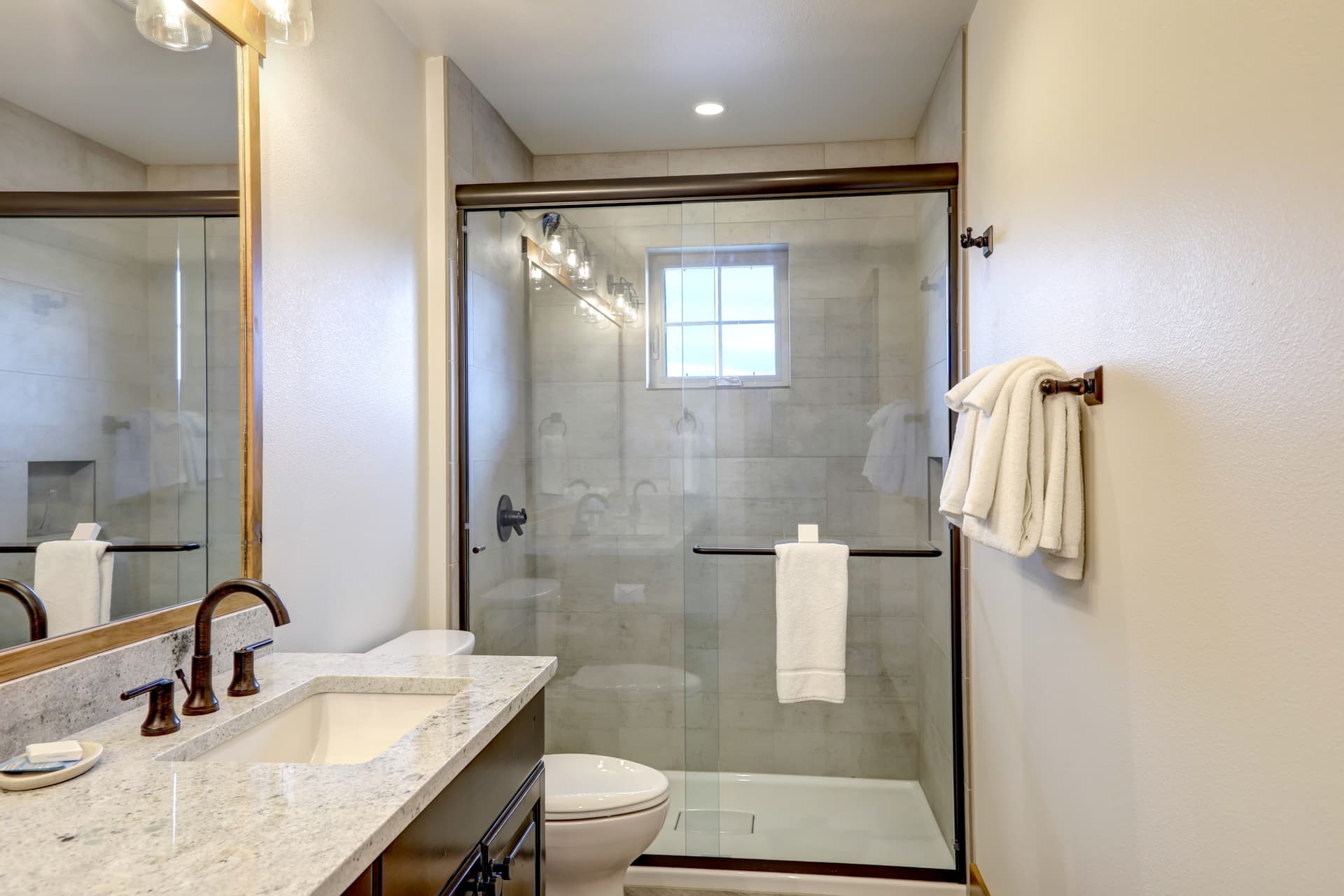
Can You Work With My Supplied Sanitaryware and Tiles?
Choosing your own tiles, basin, toilet, bath or shower fittings gives you control over the finished look. It can also create problems if the products have not been checked against the room or against one another.
The important decision is not simply whether the items look right. They need to be suitable for the surfaces, drainage arrangement, available space and installation method. When we assess customer-supplied products for a bathroom installation in Glasgow, we look at how the whole package will work together before anything is fixed in place.
For an overview of our bathroom installation service, visit Bathroom Installation.
Start with the room, not the product
A product photograph rarely shows the restrictions that matter on site. The position of existing drain outlets, water pipes, doors, windows, boxed-in pipes and access panels can all affect what will fit.
Before buying sanitaryware, check the product dimensions against the actual room. A toilet may fit within the overall width of a room but still clash with a door, radiator or projecting wall. A vanity unit may leave too little space to use the basin comfortably. A shower tray may suit the design but not line up with the existing waste without alteration.
We also need to know whether the installation is a straightforward replacement or part of a changed layout. Moving fittings can affect floors, walls, pipe routes and drainage. That is why a site assessment is more useful than choosing products from measurements alone.
Check that the tiles suit their position
Wall and floor tiles are not interchangeable simply because they are sold as bathroom tiles. Floor tiles need to be suitable for foot traffic and should provide an appropriate surface for the room. Wall tiles need to suit the wall surface and the adhesive being used.
Tile size and weight matter too. Large-format tiles can produce a clean, calm finish, but they require particularly even backgrounds and careful handling. Small or irregular tiles may need more setting out and can expose uneven walls if the preparation is poor.
The tile material affects cutting, adhesive selection, grout joints and the finished weight on the surface. Porcelain, natural stone and glazed ceramic products can each bring different installation requirements. Manufacturer guidance should be available before fixing begins, especially where the tile is heavy, textured, unusually thin or has a specialist finish.
Do not choose tiles without planning the edges
A bathroom design can look excellent across the main wall and still appear unfinished at corners, around pipe penetrations or where the tile meets sanitaryware. Before installation, decide how external corners, internal corners, exposed edges and changes in tile direction will be finished.
That may involve edging trim, turning the tile around an edge, sealant or a planned grout line. The right choice depends on the tile thickness, the layout and the surrounding finishes. It is much easier to resolve this during setting out than after the tiles have been cut.
We also consider where full tiles should appear and where cuts will fall. A layout that is centred on one wall may create narrow slivers at an adjacent corner. Moving the starting point can produce a more balanced result and avoid very narrow tile cuts around a basin, shower or bath.
Sanitaryware must work with the finished tile thickness
Tile and adhesive add depth to walls and floors. That can affect the position of fittings, curved drain pipes, drain outlets, flush plates, shower valves and other parts. A frame or pipe connection that appears correctly positioned before tiling may need to allow for the finished surface build-up.
This is particularly important where fittings are built into the wall, mounted on the wall or designed to sit level with the tiled surface. The product instructions should be checked before preparation starts, not after the wall has been tiled.
We check the relationship between the proposed sanitaryware and the finished surfaces so the installation does not rely on improvised extensions or visually untidy adjustments. If an item is unsuitable for the planned layout, it is better to identify that before materials are opened or fixed.
Keep every component available before work starts
Bathroom products are often supplied as separate parts. A toilet may require a specific connector, a basin may need a compatible waste and tap arrangement, and a shower installation may involve several components that are ordered independently.
Keep the instructions, fittings and delivery details together. Check for visible damage and confirm that the correct colour, size and left- or right-handed version has arrived. Tiles should also be checked for shade, consistent size and quantity before fixing. Products from different batches can vary, and replacing a small amount later may not produce the same finish.
If a product is missing a component or arrives damaged, raise it before installation. Fixing the available parts first can limit the options for resolving the problem cleanly.
The practical choice: supply everything, or ask for a specification
Supplying your own products can be the right choice when you have already decided on the design and have confirmed that each item suits the room. It is less suitable when the layout is changing, the surfaces are uncertain or several products need to coordinate closely.
You do not need to make every technical decision alone. Send product details or bring them to the discussion so we can consider the tile, sanitaryware, substrate and layout as one installation. At Profix Tiling Services, we cover bathroom installation, wall tiling and floor tiling across Glasgow and surrounding areas. Contact us to discuss your proposed products and request a clear quotation based on the actual scope of work.
Other Articles