Blog
What Affects Tile Installation Cost? Key Factors for Glasgow Homeowners
What affects tile installation cost? Key factors for Glasgow homeowners
If you live in a Glasgow tenement, a modern city-centre flat or a sandstone semi, the cost of getting tiles down varies for good reasons. For 35 years I’ve installed and restored tiles across Glasgow and the surrounding area. Here’s a clear, no-nonsense breakdown of the things that drive price so you can get accurate quotes and avoid surprises.
Primary keyword: tile installation cost Glasgow
Understanding the main drivers behind tile installation cost Glasgow homeowners see in quotes helps you compare tradespeople properly — not just on the headline figure but on what’s included.
Main factors that influence cost
1. Tile type and size
Porcelain, ceramic, natural stone, terracotta and large-format tiles all behave differently. Natural stone usually needs sealing and specialist adhesives; rectified porcelain tiles require tighter joint tolerances and more exact cutting. Large-format or long plank tiles demand flatter substrates and more precise levelling — that adds time and skill.
2. Substrate condition and preparation
A sound substrate is non-negotiable. Old screed, uneven concrete, timber boards with bounce, rising damp or contaminated adhesives all require remedial work: removal, re-screeding, levelling compound or a decoupling membrane. The deeper the repair, the more labour and materials involved.
3. Waterproofing and wet-room complexity
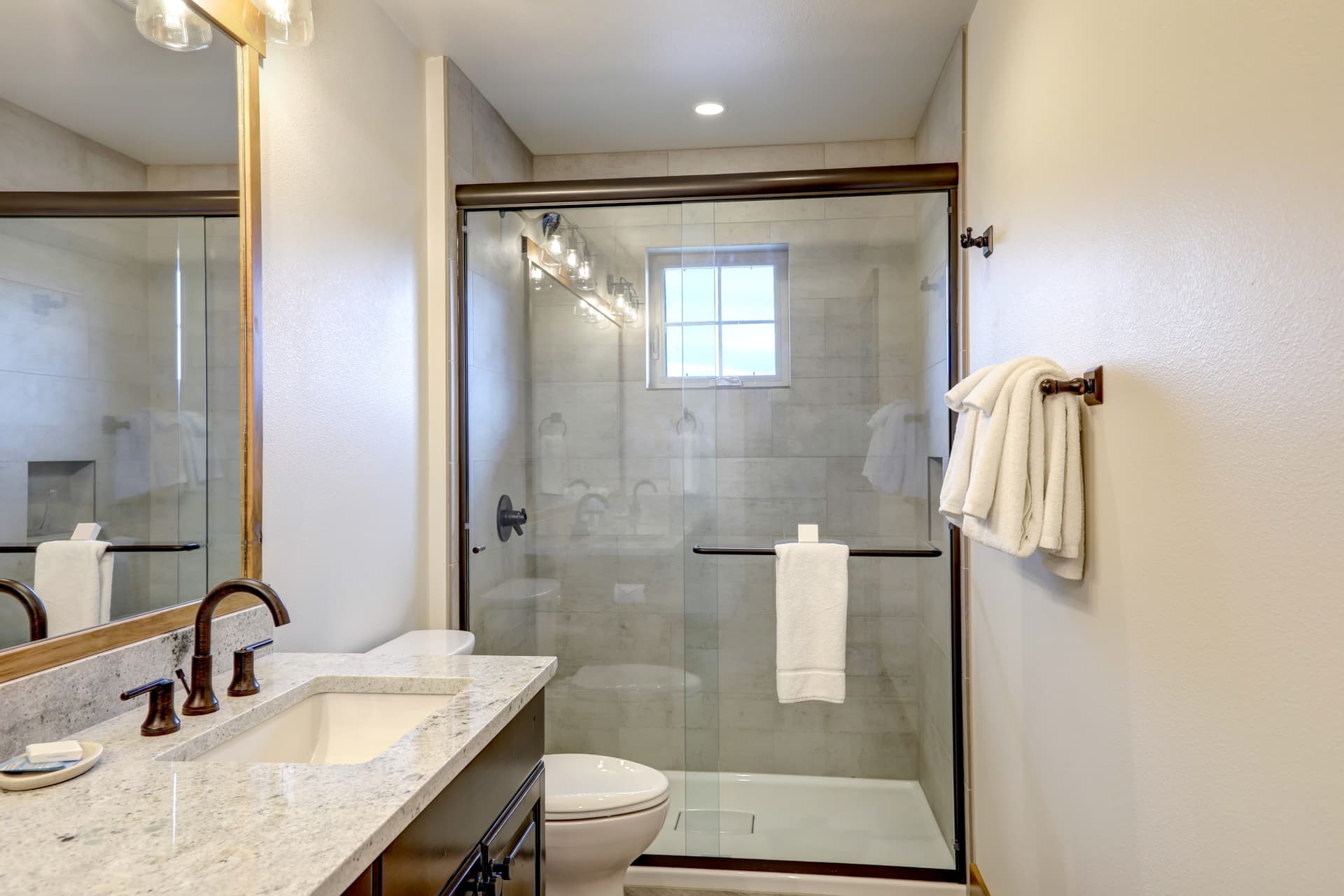
Bathrooms, wet rooms and shower enclosures need correct tanking, falls to drains and sealed junctions. Tanking systems, waterproof membranes and certified junction details add material and labour time but they’re essential for long-term performance — especially in Glasgow properties prone to moisture.
4. Adhesives, grouts and finishes
Using the correct cementitious or polymer-modified adhesive is not optional. Flexible adhesives for timber, rapid-setting mixes for renovation windows, specialist grout for external use or coloured epoxy grout all change the specification. Finishing work such as movement joints, sealants and trims also affects the final cost.
5. Room size, layout and pattern complexity
A straightforward square lay in a small kitchen is faster than a diagonal, herringbone, basketweave or mosaic feature. More cuts, mitred edges and pattern matching increase waste and installation time. Thresholds, steps and returns add labour for neat tile-to-tile junctions.
6. Removal and disposal of existing finishes
Strip-out of old tiles, adhesive scraping, or removal of timber floorboards takes time and may involve skip hire or specialist disposal for contaminated materials. Factor in access to lifts or narrow stairwells in tenement flats — these can increase labour effort.
7. Access, site logistics and scheduling
City-centre parking restrictions, restricted deliveries, working around other trades (plumbers, electricians) and tight windows for drying time all affect how long a job takes. A sole operator who turns up on time and manages a schedule reliably saves unexpected delays.
8. Skilled labour and warranty
A straight, level finish comes from experience and attention to detail. An installer who guarantees their work, uses the right specifications and leaves tidy movement joints will often cost more in the quote — but saves on future repairs.
Practical tips for Glasgow homeowners
- Get a site visit: ask for a measured site survey rather than an over-the-phone estimate. Photos help, but a proper inspection reveals substrate issues.
- Specify tiles by type and format: if you’ve picked large-format or natural stone, tell the tiler early so the quote reflects the correct materials and prep.
- Ask about waterproofing details: for bathrooms and wet rooms, insist on the tanking system and who signs the warranty.
- Check drying and access requirements: factor in drying times for levelling compounds and adhesives when planning other trades.
- Request a breakdown: materials, preparation, waterproofing, labour and waste removal should be clear so you can compare quotes like-for-like.
Questions to ask your tiler
- Are you a sole operator or part of a team, and who will be on site? (I’m a sole operator with 35 years’ experience — punctual and focused on quality.)
- What substrate repairs do you anticipate and how are they priced?
- Which tanking system, adhesive and grout will you use and why?
- What guarantees or aftercare do you provide?
- Can you provide recent examples of similar work in Glasgow?
Reduce surprises and protect the outcome
Choosing the cheapest quote rarely saves money in the long run. Prioritise a tiler who explains substrate work, specifies suitable adhesives and shows experience with local building types — Victorian tenements, sandstone terraces and modern flats have different demands.
Profix Tiling Services has 35 years’ hands-on experience across Glasgow and the surrounding area, listed on MyBuilder and Google Business. If you want a clear, honest site survey and a written specification covering preparation, waterproofing and finishing, get in touch through our MyBuilder or Google Business profile to request a quote and a timeline tailored to your property.
Other Articles